



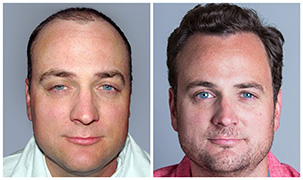
 Before After
Hair Transplant Solutions
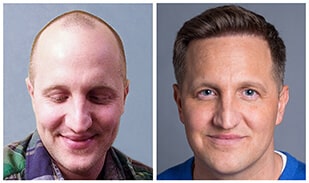
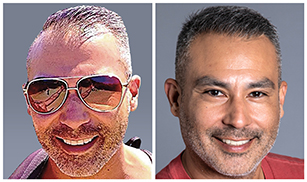
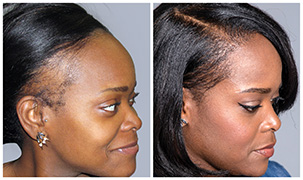
A hair transplant from Bosley is the proven, permanent solution to genetic hair loss. Using next-generation hair restoration techniques, Bosley physicians are able to create seamless transitions as soft and silky as your original hairline with results that look completely natural.

Non-Surgical Hair Regrowth
Bosley also offers a variety of non-surgical hair loss solutions that are proven effective at retaining, strengthening, thickening, and growing the hair you have. Whether you’ve just started to notice the signs of hair loss or want to proactively address future hair loss, Bosley has a solution that can help.


Proven Techniques
Our advanced surgical and non-surgical hair restoration techniques are simple and effective at restoring your hair – and your confidence.

Experienced Physicians
Artistry in hair restoration only comes with experience, and no one has more experience in natural hairline design than we do.

Personalized Solutions
Our compassionate physicians and counselors understand the challenges of dealing with hair loss, and we’re dedicated to helping you recapture the confidence and happiness you deserve.
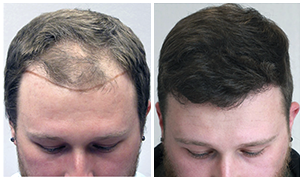 Before After
 Locations Nationwide
We have locations nationwide, with hair transplant and restoration clinics in Los Angeles, Beverly Hills, Chicago, New York, Miami, Newport Beach, and many more areas.
THE Location Nearest You
Join the millions of men and women who have come to Bosley for answers to their hair restoration questions
 Before
 I could not look at myself in the mirror and say, 'You're handsome.' My confidence level was at an all-time low. Bosley has changed my life tremendously.
 Before
 "If someone was telling me that they were thinking about going to Bosley, I would tell them to stop thinking. Just do it. I was in your shoes and you don't need to think anymore. Just go"
 Before
 I would say that Bosley has the most advanced technology on the market right now.
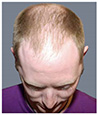 Before
 When I first thought about hair restoration, I thought, ‘is it going to fall out if I do something active—if I go on roller coasters, or if I am in the water?’ So, having gone through this procedure and seeing the results—it’s the same as my natural hair. It IS my hair, so it doesn’t fall out.

- Ron C.
- Actual Bosley Patient. Individual results may vary.
- Troy P.
- Actual Bosley Patient. Individual results may vary.
- Luke K.
- Actual Bosley Patient. Individual results may vary.
- Blair T.
- Actual Bosley Patient. Individual results may vary.
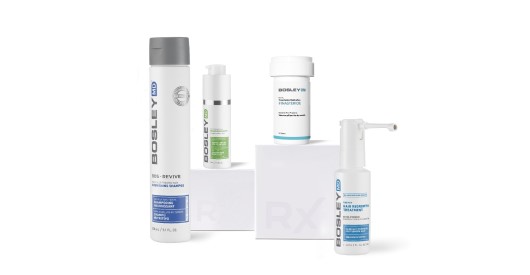
BosleyRx®
Help stop hair loss. Prescription solutions for early-stage hair loss all from the comfort of wherever you want to be.

Instant Video Consultations Now Available
Don’t want to wait? Schedule an instant video consultation with a Bosley specialist today.
AS SEEN IN





Free Info Kit +
$250 Off*
Ready to Learn More?
Get a free information kit and $250 Gift Card today.
Schedule a Consult Today
A free, no obligation consultation with a Bosley specialist will get you a customized plan for your unique needs.